
Origins of Gambling in Ancient Civilizations
The roots of gambling can be traced back thousands of years, with evidence appearing in ancient Chinese, Egyptian, and Roman cultures. In ancient China, for instance, rudimentary games of chance were played using tiles, and betting on the outcome of contests was common. Archaeological findings suggest that dice were used as far back as 3,000 BCE, showcasing the human inclination towards games of chance from early civilization. Additionally, you can discover more about this intriguing history at https://betyoucan-australia.com/.

Similarly, ancient Egyptians engaged in games that involved betting, often linked to the outcomes of athletic events or the results of various competitions. The famous board game Senet, which dates back to 3,500 BCE, was not only a source of entertainment but also involved an element of luck and strategy, laying the groundwork for later gambling practices.
The Romans also had a significant influence on the evolution of gambling. They popularized betting on chariot races, gladiatorial contests, and various athletic events. The Romans established rules and regulations surrounding these activities, creating a structured environment for betting that helped shape modern practices. This early regulation hinted at the complexities of gambling as both an entertainment form and a potential societal issue.
Development of Gambling in the Middle Ages
During the Middle Ages, gambling saw a transformation as it became more organized and institutionalized. This period marked the emergence of specific games such as cards, which were brought to Europe from Asia. Card games gained popularity across the continent, leading to the establishment of gaming houses and venues dedicated to gambling. The introduction of playing cards brought about new gambling dynamics and strategies, fueling the fascination with games of chance.
As the church began to exert more influence over society, attitudes towards gambling started to shift. While some viewed it as a form of entertainment, others saw it as a vice that could lead to moral decay. This duality of perception led to various local laws prohibiting or regulating gambling activities, reflecting societal concerns regarding addiction and financial ruin. Despite such constraints, gambling continued to flourish, often becoming clandestine but ever-present.
By the late Middle Ages, lotteries also began to emerge as a popular form of gambling, offering a way to raise funds for public projects. The first official lottery is believed to have been established in the 15th century in the Low Countries, showcasing a significant shift in how gambling was integrated into society. This paved the way for modern lotteries, which continue to be a popular method of raising money in numerous countries today.
The Rise of Casinos in the Renaissance
The Renaissance era marked a pivotal moment in the history of gambling, with the establishment of the first official casinos. The word 'casino' originates from the Italian word for 'little house,' and the first known casino, the Casino di Venezia, opened its doors in 1638 in Venice. This period saw gambling becoming more mainstream, moving from private homes to dedicated venues, attracting both the elite and the common populace.
In addition to the growth of casinos, games like baccarat and roulette were developed during this time, which remain staples in modern gambling. The establishment of these games introduced a level of sophistication and glamour to gambling that appealed to a broader audience. As gambling became intertwined with social gatherings and entertainment, casinos began to flourish as opulent establishments where patrons could indulge in various forms of gaming.
The Enlightenment brought about new attitudes towards gambling and risk-taking, with some intellectuals advocating for the rationality of games of chance. This period laid the foundation for more complex gaming strategies and mathematical probabilities, shifting how gamblers approached their bets. The interplay of luck and skill began to be analyzed more scientifically, paving the way for advancements in gambling strategies that still resonate in modern practices.
Modern Gambling: Technology and Global Expansion
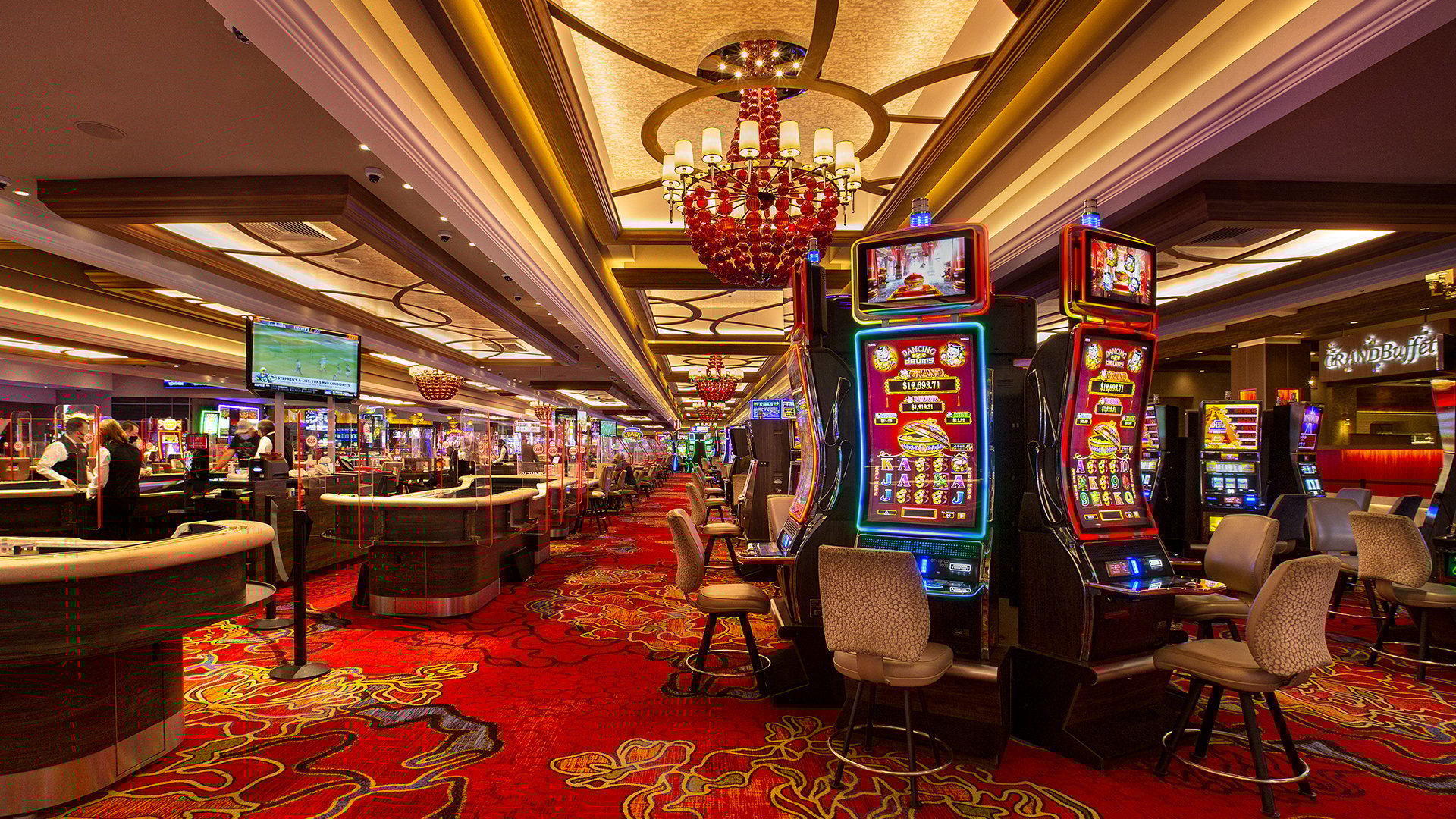
The 20th century witnessed an unprecedented expansion of gambling opportunities with the advent of technology. The introduction of electronic gaming machines in casinos revolutionized the gambling experience, making it more accessible and appealing to a broader demographic. Slot machines became a staple in casinos, offering an entertaining experience with the potential for significant payouts, which contributed to the rapid growth of gambling establishments worldwide.
The rise of online gambling in the late 1990s further transformed the industry, allowing players to engage in betting from the comfort of their homes. The emergence of websites offering various games, including poker and blackjack, created a new realm of possibilities for gamblers. This digital revolution made gambling accessible to a global audience, leading to the establishment of regulatory bodies to oversee this burgeoning industry.
Today, gambling is a multi-billion-dollar industry, featuring diverse options from traditional casinos to online platforms. Mobile apps have made it easier for individuals to place bets and enjoy their favorite games at any time. The integration of live dealer games has enhanced the online experience, creating a more immersive environment that replicates the thrill of being in a physical casino. This evolution reflects not only changes in technology but also shifting social attitudes towards gambling.
The Role of Responsible Gambling in the Modern Era
As gambling has evolved, so too has the recognition of the importance of responsible gambling practices. The growth of the industry has brought to light concerns regarding addiction and financial strain, prompting the establishment of regulations aimed at promoting responsible gaming. Various organizations and platforms now provide resources for players to manage their gambling habits effectively, ensuring that they gamble safely and within their means.
Modern online casinos, including platforms like BetYouCan Australia, are committed to fostering a responsible gambling environment. These sites offer tools such as deposit limits, self-exclusion options, and educational resources to help players make informed decisions. This commitment to responsible gambling demonstrates a broader industry recognition of the need to balance entertainment with safety and wellbeing.
Furthermore, the conversation surrounding responsible gambling has led to partnerships between casinos and support organizations aimed at providing assistance to those affected by gambling addiction. By promoting awareness and offering support, the industry is working towards minimizing the risks associated with gambling while still celebrating the enjoyment and excitement it can bring.
BetYouCan Australia: A New Era in Online Gambling
BetYouCan Australia represents the modern fusion of technology and traditional gambling experiences. With an extensive selection of over 2,600 games, including slots and live dealer options, BetYouCan provides an engaging platform tailored specifically for Australian players. The site emphasizes user experience through its easy-to-navigate interface and prompt payout processes.
For new users, BetYouCan offers attractive welcome bonuses and ongoing promotions, ensuring that players can start their gaming journey with added value. The commitment to 24/7 customer support reflects a dedication to player satisfaction, providing assistance whenever needed. This focus on user-centric services positions BetYouCan as a premier choice in the competitive online gambling landscape.
Additionally, BetYouCan actively promotes responsible gambling by implementing tools that allow players to engage safely with the platform. This focus on creating a supportive gambling environment underscores the company's commitment to the wellbeing of its community. As online gambling continues to evolve, BetYouCan Australia exemplifies a forward-thinking approach that respects both the heritage and future of gambling.